The sixteen-page unit
A signature is not a design decision. It is a consequence of how paper folds — and every page count in comics traces back to it.

Why the number is always the same
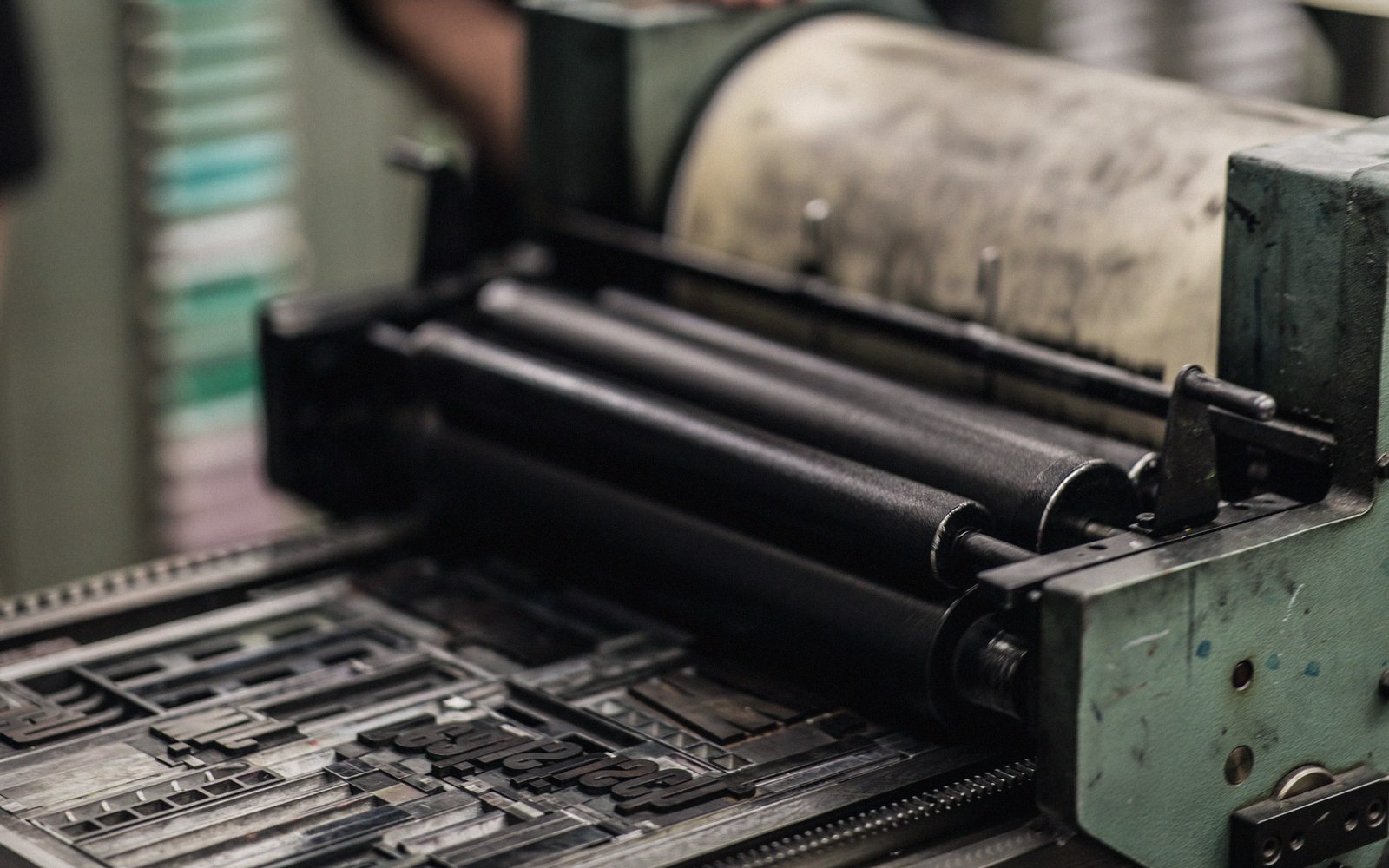
Take a single sheet, fold it once: four pages. Fold it again: eight. Once more: sixteen. That last fold is the standard unit of print production — the signature, a self-contained booklet of sixteen pages that, when trimmed and gathered with others, becomes a comic or graphic novel. Publishers and printers count in these units not out of habit but because the press imposes multiple pages onto a single sheet simultaneously; a sixteen-page signature uses the sheet completely, with nothing wasted.
This is why a 32-page pamphlet comic with its covers is a standard format — two full signatures, covers included. A graphic novel at 160 pages is ten signatures. The numbers feel arbitrary until you know the fold.

What gets cut to fit
The practical consequence lands on the writer and the artist at the same structural moment: the end of any draft. If a story runs to 58 pages, it does not fit cleanly into either three or four signatures. The choice is compression or expansion — cut to 48, or write to 64. There is no comfortable middle. Editors at periodical publishers have imposed this arithmetic for decades; a story that cannot be persuaded into a clean multiple gets an extra scene or loses one, and the decision is often made after pages are already drawn.
Single-issue pamphlet comics in North America conventionally ran to 22 story pages — a figure that accommodated advertising within the signature's constraints. Strip those ads, and the same physical unit delivers more story pages. Digital-first work has no signature at all, which is part of why page counts there drift freely and often self-indulgently.
Understanding imposition changes how you think about pacing long-form work. The sixteen-page unit is not just a printer's concern; it is the largest structural grid a cartoonist works inside, and working against it costs pages, money, or both.