Brush against pen
A brush gives a line that swells and tapers from pressure alone; a nib gives control and repeatability. Most pages use both, for different jobs.
The line that grows, and the line that stays
Every mark on a finished comics page was made by something — a brush, a dip nib, a technical pen, or some combination of all three. The choice is not aesthetic decoration. It is a structural decision that happens early, and it determines what the page can do.
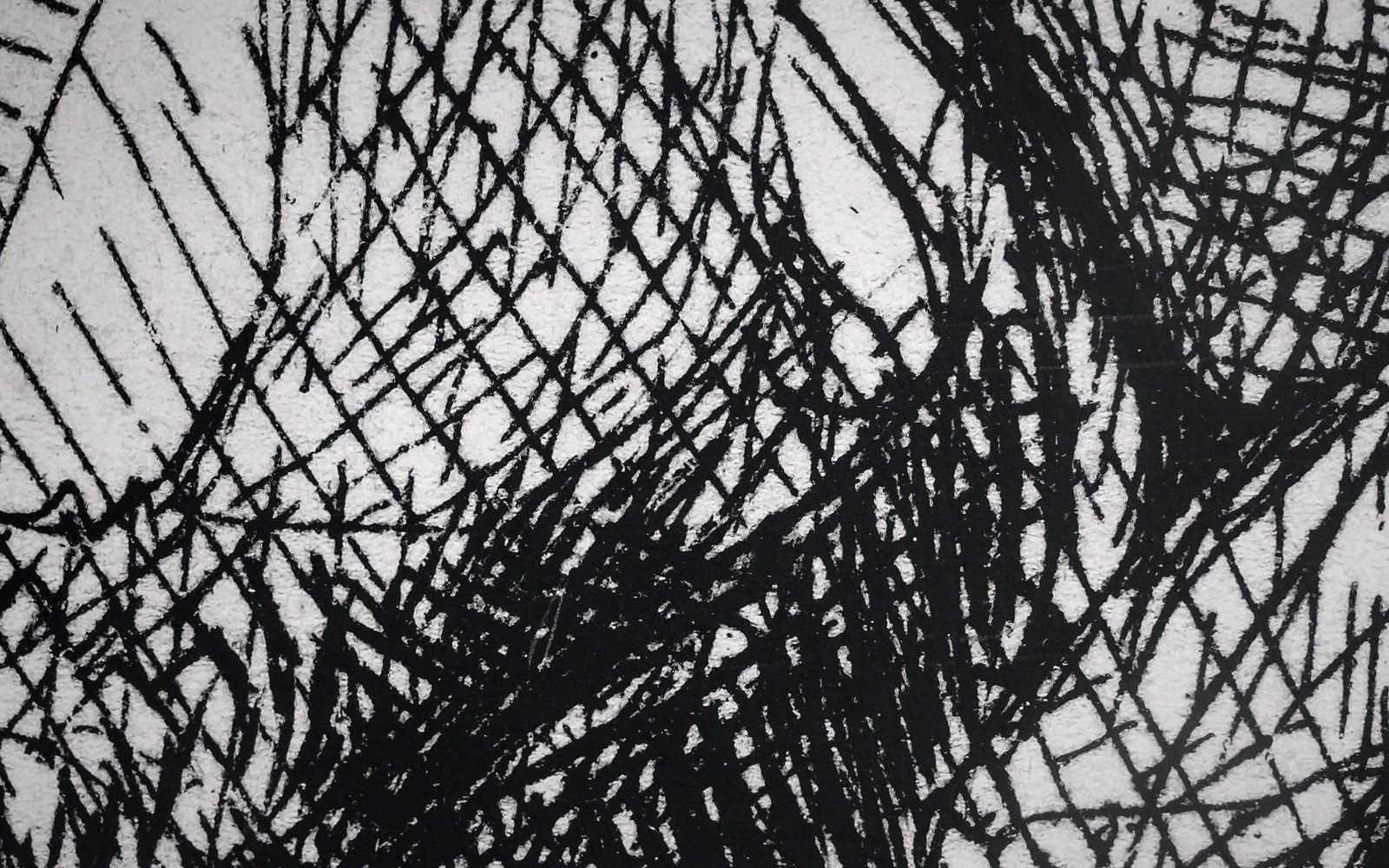
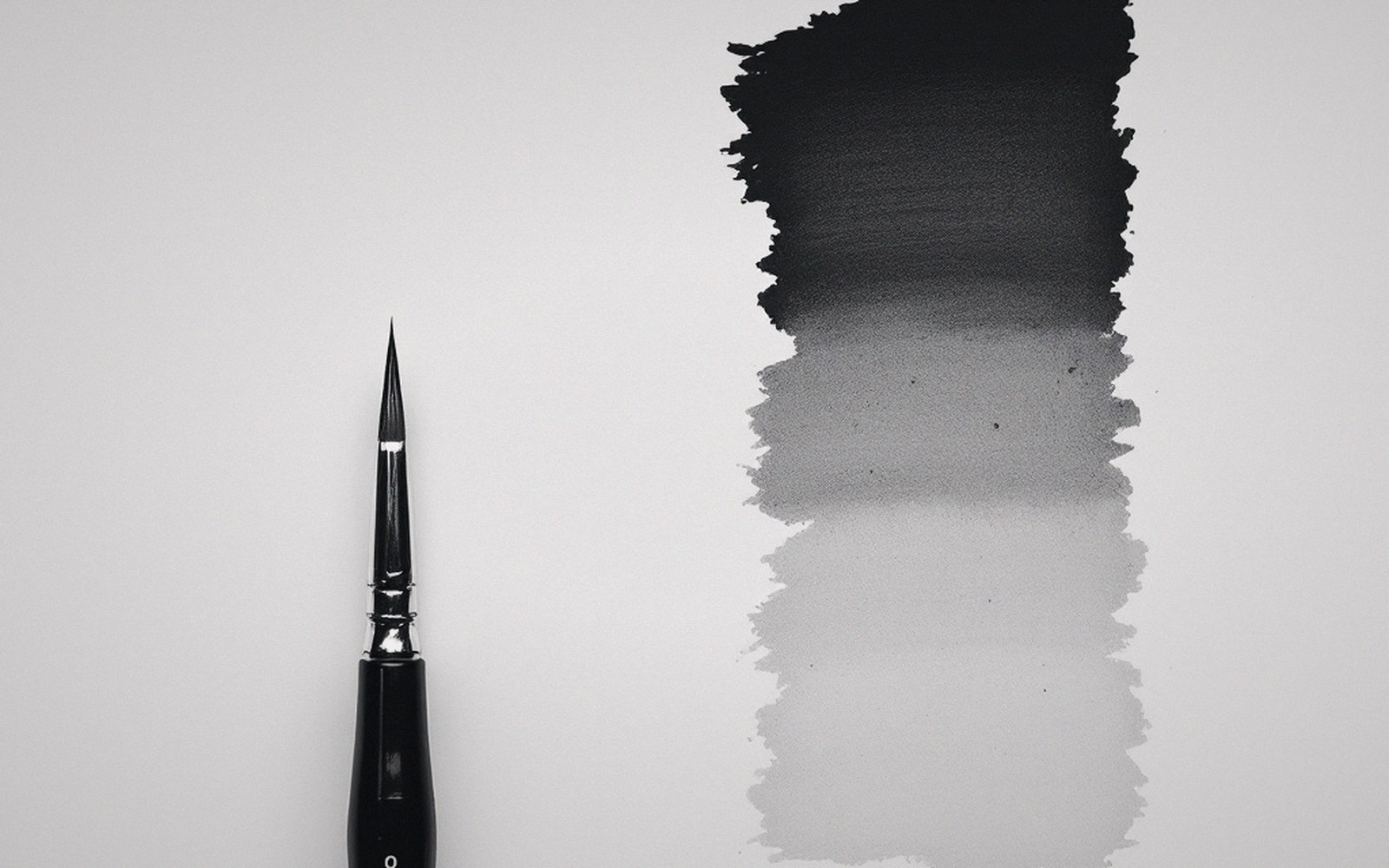
A brush gives a line that is alive to pressure. Press hard at the start of a stroke and it blooms; ease off and it tapers to a point. The swell happens without planning — which is exactly the problem and the power. Brushwork rewards speed: a fast stroke stays fluid; hesitate and the bristles splay, the ink bleeds sideways. Artists working with a brush are, in a sense, drawing with the whole arm rather than the wrist. The line records the gesture, not just the shape. Figures in motion, foliage, fabric in wind, the loose hatching that suggests a shadow without mapping every tone — these are brush jobs. The tool performs the energy.
A dip nib works differently. The line width is determined by nib geometry and by how far you flex the tines, but the range is narrower and more deliberate. You can repeat a line weight with some consistency. Ruled borders, mechanical elements, architectural backgrounds, lettering guidelines — these are nib or technical-pen jobs, because they ask for a line that stays where it is put. The technical pen (rapidiograph-style, with a fixed tubular point) eliminates pressure variation altogether. It is the right tool for precision and the wrong tool for warmth.
Two tools, one page
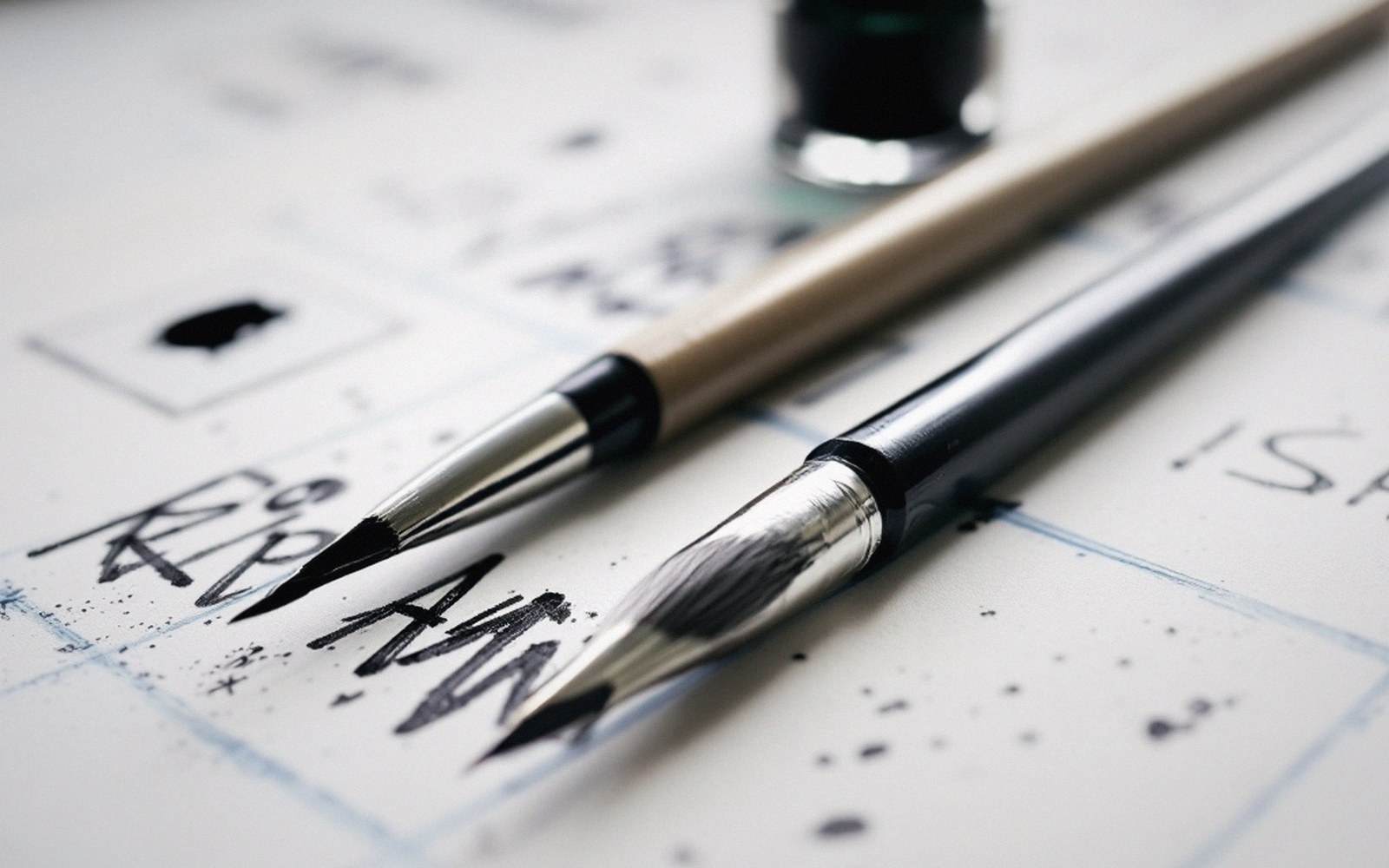
Most finished pages are not drawn with one instrument throughout. They are edited as they are made. A brush handles the figures; a nib handles the panel borders and the ruled lines inside machinery or buildings. The decision about which tool goes where is usually made at thumbnail stage, when the artist knows which panels carry action and which carry information — though in practice a working cartoonist develops the habit without naming it, switching instruments mid-page the way a writer switches between sentence lengths.
The distinction matters most at the extremes of line weight. Line weight as depth — heavier contours outside, lighter within — is achievable with either tool, but a brush makes the transition continuous and a nib makes it stepped. One reads as spatial; the other reads as diagrammatic. Neither is wrong. They produce different rooms.
Ink viscosity interacts with both tools. Brush inks tend to be thinner and flow quickly; nib inks can be thicker to reduce bleed on rough paper. Artists who mix both on a single page sometimes use two different inks, or dilute a single ink differently for each instrument — a practical detail that never shows in the scan but accounts for a lot of the variation you see in originals held under raking light.
There is a third path: the brush pen, a reservoir brush with a flexible nib tip, which occupies territory between the two. It handles like a brush in the sense that pressure produces variation, but the range is narrower and the tip is more forgiving of hesitation. It is the instrument that has most expanded since digital scanning replaced stat cameras, because its relatively consistent output scans cleanly. Many cartoonists working at smaller print sizes have moved toward it for the same reason: the subtlety of a true sable brush is lost below a certain reproduction size anyway.
What a page reveals, if you look at the line itself rather than the picture it makes, is a series of decisions about energy and control. The brush-drawn figure carries traces of how fast the arm moved. The ruled border says the cartoonist paused and used a tool that pauses well. Spotting blacks — the placement of solid fill — is often done with a brush simply because the brush fills area quickly. The nib is too slow for a large black. The brush is too loose for a straight line. Together, they do the whole job.