Cutting and burnishing
Scalpel work on film, and the edge that gives it away.
Screentone applied by hand leaves a seam the camera still reads
Adhesive screentone film arrives as a large sheet: a dot pattern printed on a clear carrier, backed with a low-tack adhesive, protected by a release sheet. The artist lays it over the inked area loosely, cuts roughly around the shape with a scalpel, peels the backing, and sets it down. What happens in the next two minutes determines whether the finished panel reads as smooth tone or as a patch job.
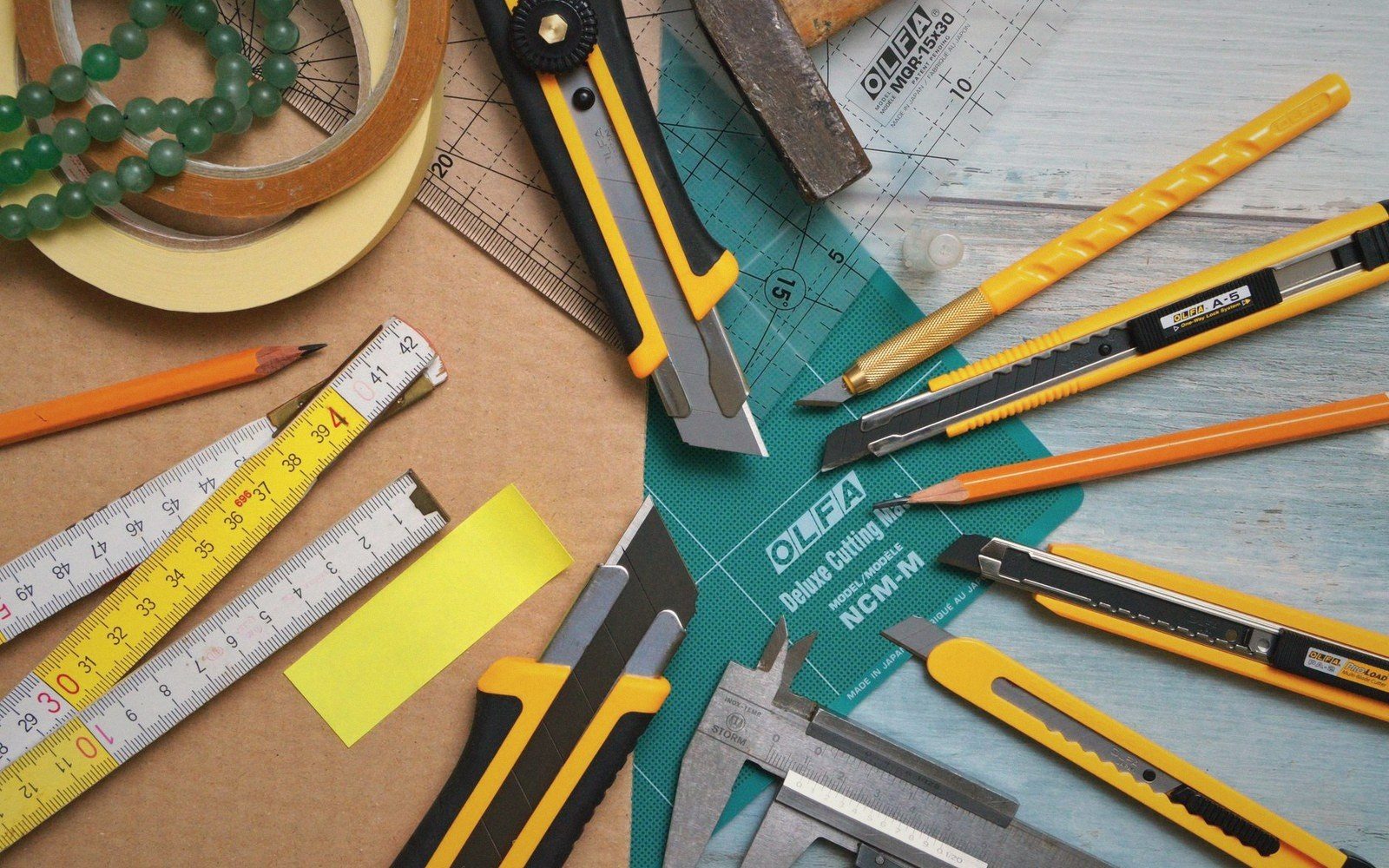
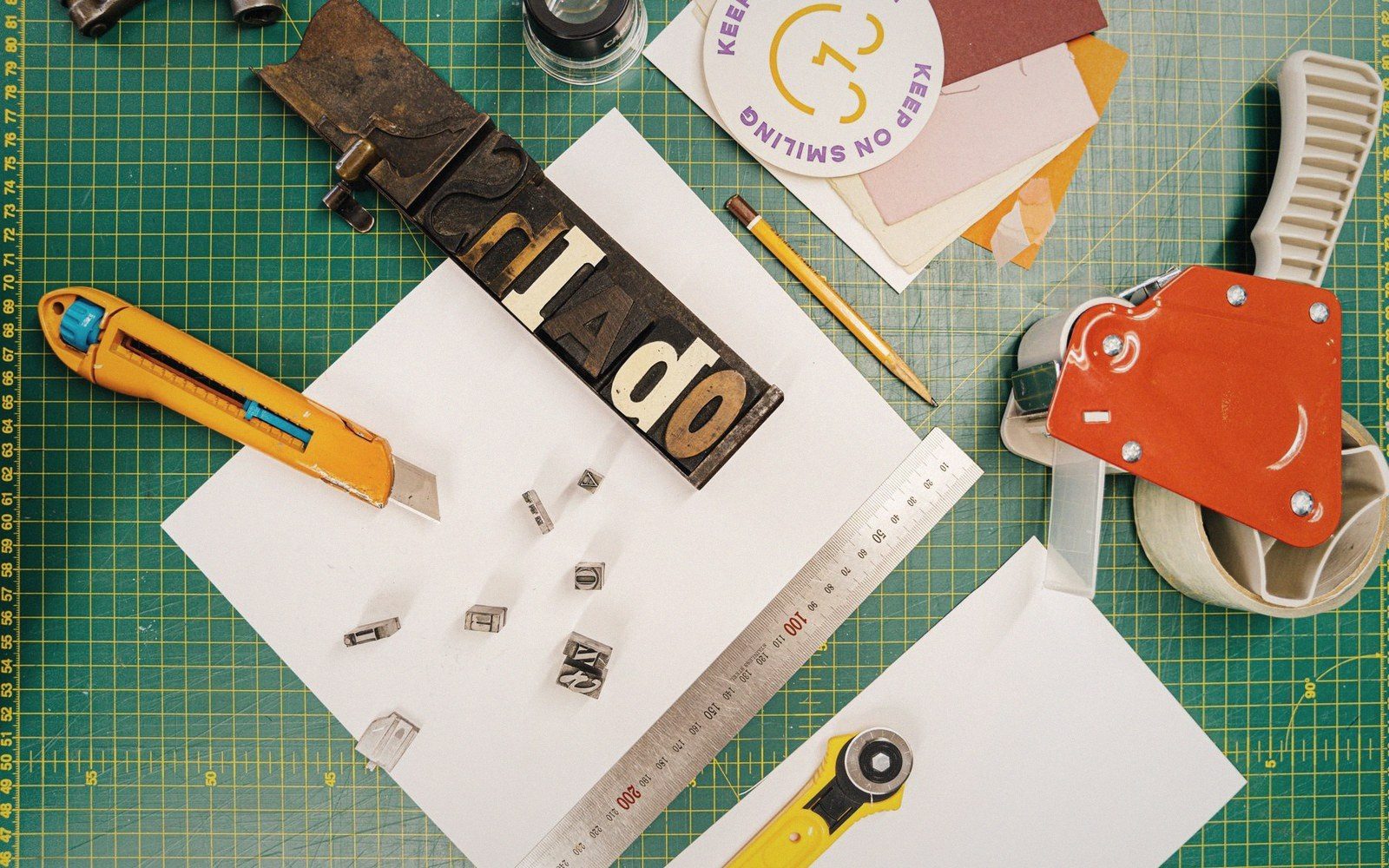
The cut is made in two passes. The first — before peeling — is approximate, just removing the bulk of excess film. The second, more important cut comes after the film is placed: the scalpel traces the exact edge of the inked outline, cutting through the carrier film without digging into the board beneath. Too much pressure scores the surface and the groove prints. Too little and the film doesn't sever cleanly, and the edge lifts. The knife is held at a shallow angle, more like a paring stroke than a stab, and the blade is changed often — a dulled tip tears the film rather than shearing it.
Once the shape is trimmed, the excess peels away at the edge. What remains is burnished down. A bone folder works; so does a smooth plastic burnisher, a fingernail, or the rounded cap of a pen. The motion is firm and circular, moving from the centre outward so no air is trapped. The edge gets particular attention: any dot left unanchored at the boundary will lift during printing, creating a pale fringe. Under a loupe, a properly burnished edge looks continuous; a badly burnished one shows a slight step, and the dots along the margin are crushed to one side.
Screentone is a printed dot pattern at a fixed frequency, and frequency is exactly where the error shows. Overlapping layers of different tone — used for shadows on shadows — must align in angle to avoid moiré interference, which is why manufacturers label their sheets with both density and screen angle. A grey at forty-five degrees sits on top of a grey at sixty degrees and the result is a visible plaid. The safe approach is to buy both sheets from the same line and trust the stated angles.
The seam that gives away hand-cut tone is rarely the shape — it's the edge. A clean cut, a fresh blade, and thirty seconds of unhurried burnishing costs nothing beyond attention. Skip the burnishing and the camera records every lifted dot as a white gap, permanent and exact.