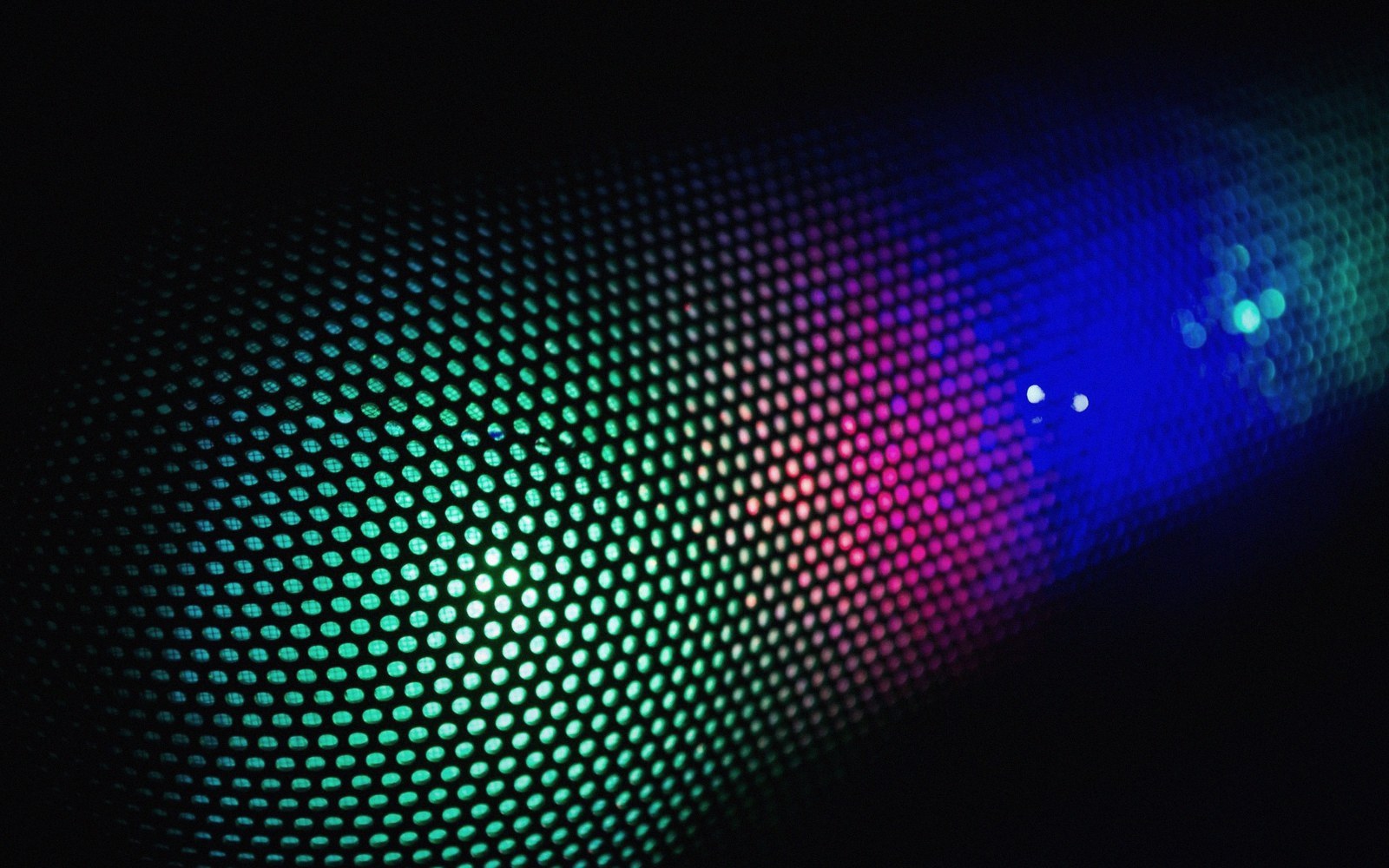
Halftone
Continuous grey turned into dots of varying size so a press can print it.
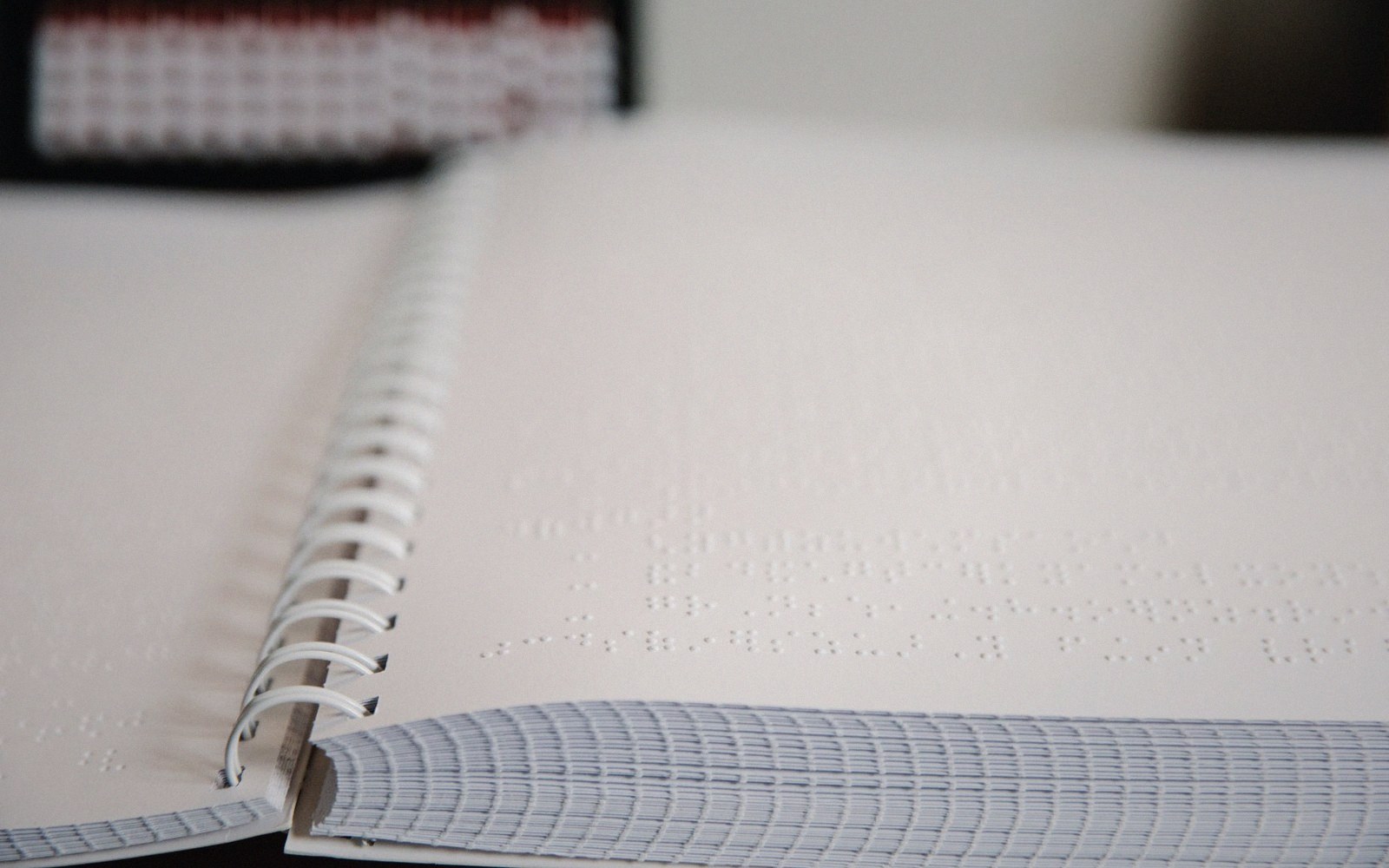
Turning grey into a pattern the press can hold
A printing press does one thing: it either puts ink on the page or it doesn't. There is no halfway, no genuine grey. So when a photograph or a wash drawing arrives at the printer, something has to translate continuous tone — all those lovely gradations — into a language the press actually speaks. That translation is halftone.
The process works by breaking grey into a grid of dots. Where the original is dark, the dots are large; where it is light, the dots are small. Seen at reading distance the eye averages them and reads grey. Get close enough and the illusion dissolves into a neat geometric field. This is not a workaround or a compromise — it is print's native grammar, and has been since the late nineteenth century when printers discovered that a glass screen engraved with crossing lines, placed between the original and the photosensitive plate, would break the continuous tone into a reproducible dot pattern automatically.
The density of that grid is measured in lines per inch, or lpi. A newspaper might run at 85 lpi, coarse enough that the dots are almost visible in normal reading. A comic book of the mid-twentieth century, printed on newsprint, sat at roughly 65–85 lpi. A quality art book can run above 175 lpi, where the dots become invisible under ordinary inspection.
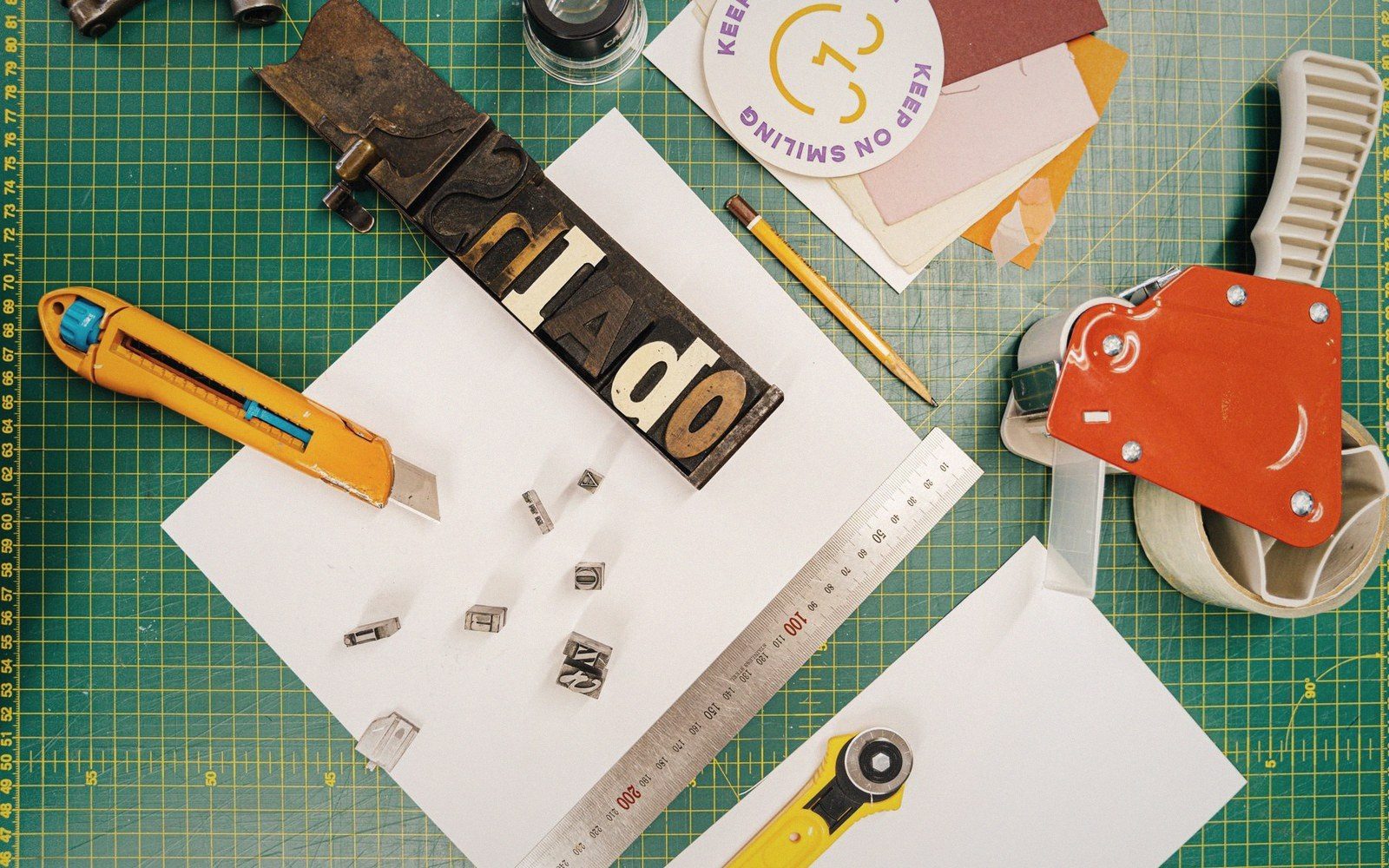
For comic artists working with screentone, the halftone relationship is not abstract: screentone is itself already a dot pattern, pre-printed and cut to size. Place two dot patterns at a misaligned angle and they interfere — the result is moiré, a crawling optical beat that survives into print and ruins the page. Avoiding it means knowing the screen ruling of the press and matching the tone frequency accordingly.
Digital work has not dissolved the problem. A 300 dpi greyscale file still passes through a raster image processor that applies a halftone screen before the plate is made. The dots are just smaller now, and generated by algorithm rather than a glass screen.
The rule hasn't changed: the press prints dots. Grey is a story the reader's eye agrees to tell itself.