A fixed grid is freedom
Deciding the structure once removes a hundred later decisions.
The decision you only make once
The most counterintuitive thing about a fixed panel grid is that it doesn't feel like a constraint once you're inside it. It feels like a cleared desk.
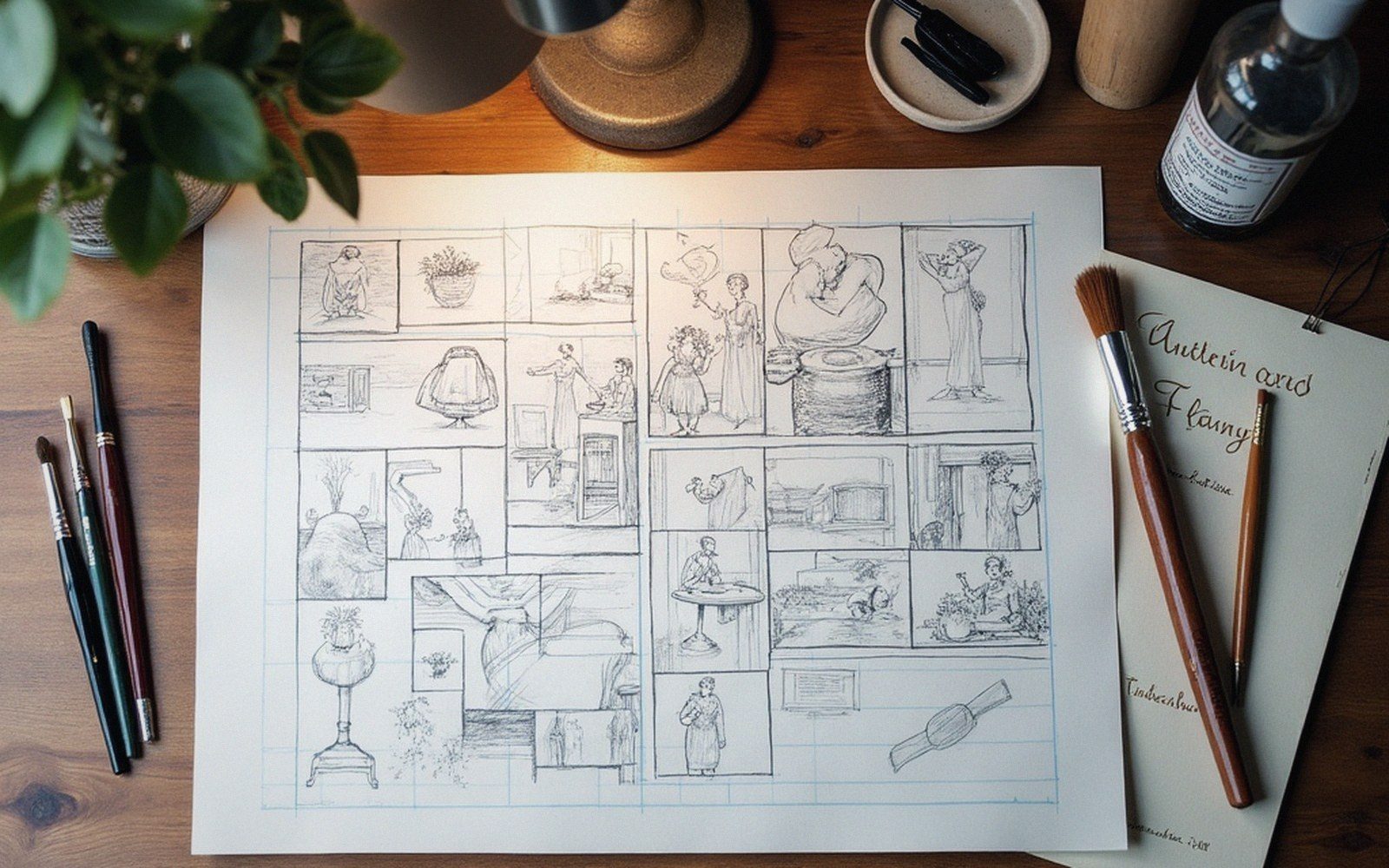
Choose your grid before you draw a single page — six equal panels, nine, a simple three-tier — and you've already answered questions that would otherwise ambush you mid-sequence: How tall is this panel? Does this moment get more room than the last? Where does the eye go next? The grid answers them all in advance, silently, every page.
This is why working cartoonists have always returned to fixed structures. The nine-panel grid makes reading order automatic — before it is a drawing, the page is an arrow — and keeps the pacing engine consistent enough that deliberate variations register as events. Break one panel out to a half-page inside a nine-grid and the reader feels the shift physically. Do it in a layout that shifts every page and it dissolves into visual noise.
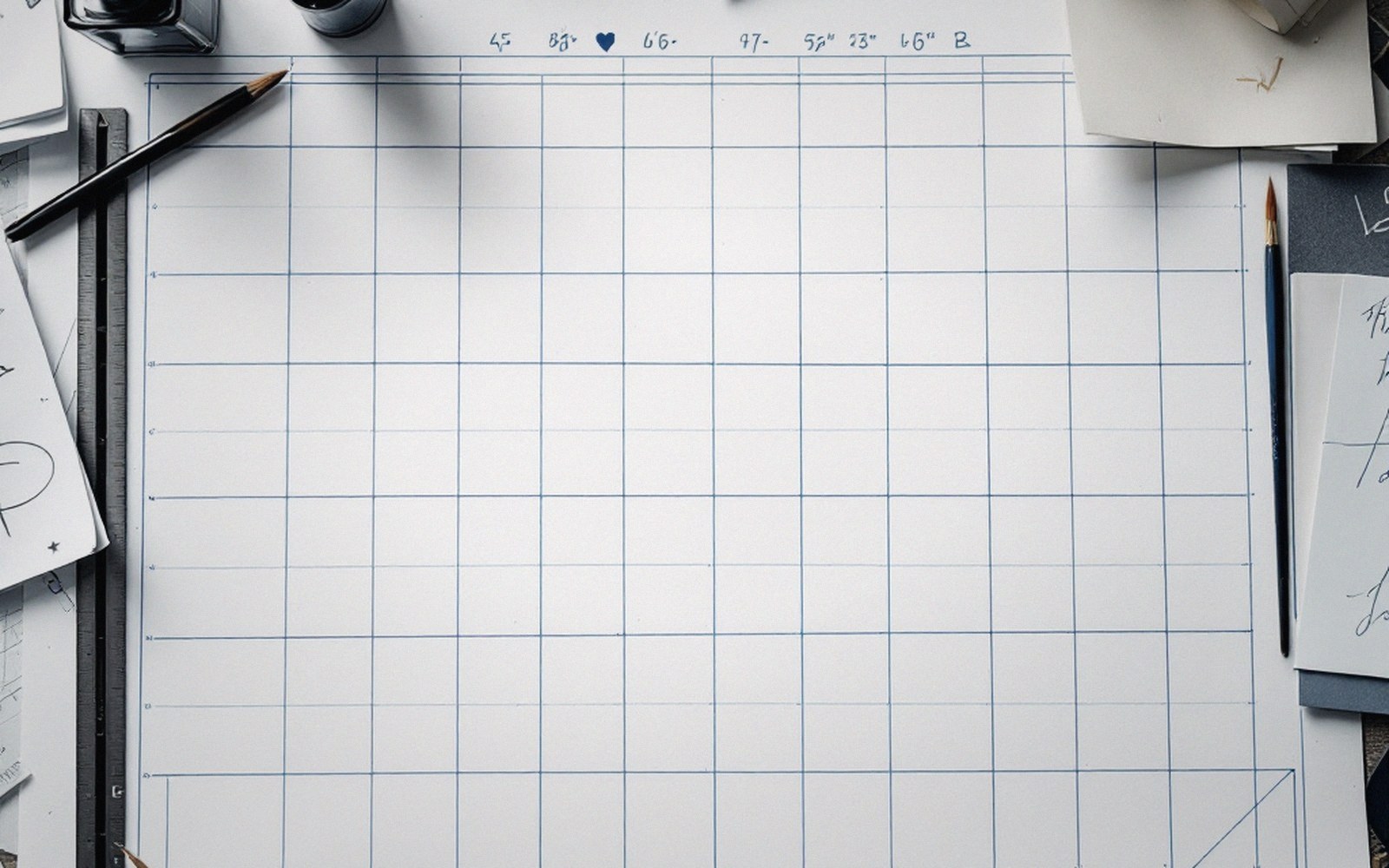
The fixed grid also earns its keep at thumbnail stage. When the underlying structure is settled, thumbnails drawn at stamp size can concentrate entirely on composition within each cell and on the sequence across cells — not on reinventing the architecture from scratch. The decisions stack in the right order: structure first, then staging, then the line.
There's a subtler benefit too. A uniform gutter width — held consistently across every spread — trains the reader's sense of time. The gutter is where closure happens, where the reader's mind jumps the gap between one moment and the next. When the gutter is always the same width, the reader stops noticing it consciously and starts using it instinctively, moving through the sequence the way a reader moves through text: without having to think about the spacing.
None of this means the grid must never bend. Varying the panel count within a chapter, or letting a key page run a two-tier layout rather than three, gives the cartoonist an instrument to play — but only because the baseline is established. Deviation means nothing without a norm to deviate from.
Decide the grid before page one. Then stop deciding it, and draw.